From KC to Manhattan: What the Move of a Curator Says About the State of Arts in Missouri
By Babs O’Halloran
When I first heard that the 21c Museum Hotel in Kansas City had permanently closed, I did what any art nerd minded person might do: I went looking for the history. Specifically, I searched the 21c website to revisit the exhibitions that had lived and breathed inside the space over the years—rotating shows that brought national and international contemporary art into a setting accessible to the public, no admission or reservation required. I wanted to see if there was a record of the shows that I had the opportunity to see and the ones I missed.
What I found was … nothing. The Kansas City location had been scrubbed. No archived exhibitions. No timeline. No record of the artists whose work had helped inhabit the Crossroads. What was once a hybrid space—part hotel, part museum, part incubator—had vanished, both physically and digitally. The story of 21c’s closure is more than a loss of an exhibition space. It’s a flashpoint in a larger conversation about cultural infrastructure, memory, and what it takes to keep creative talent in Kansas City.
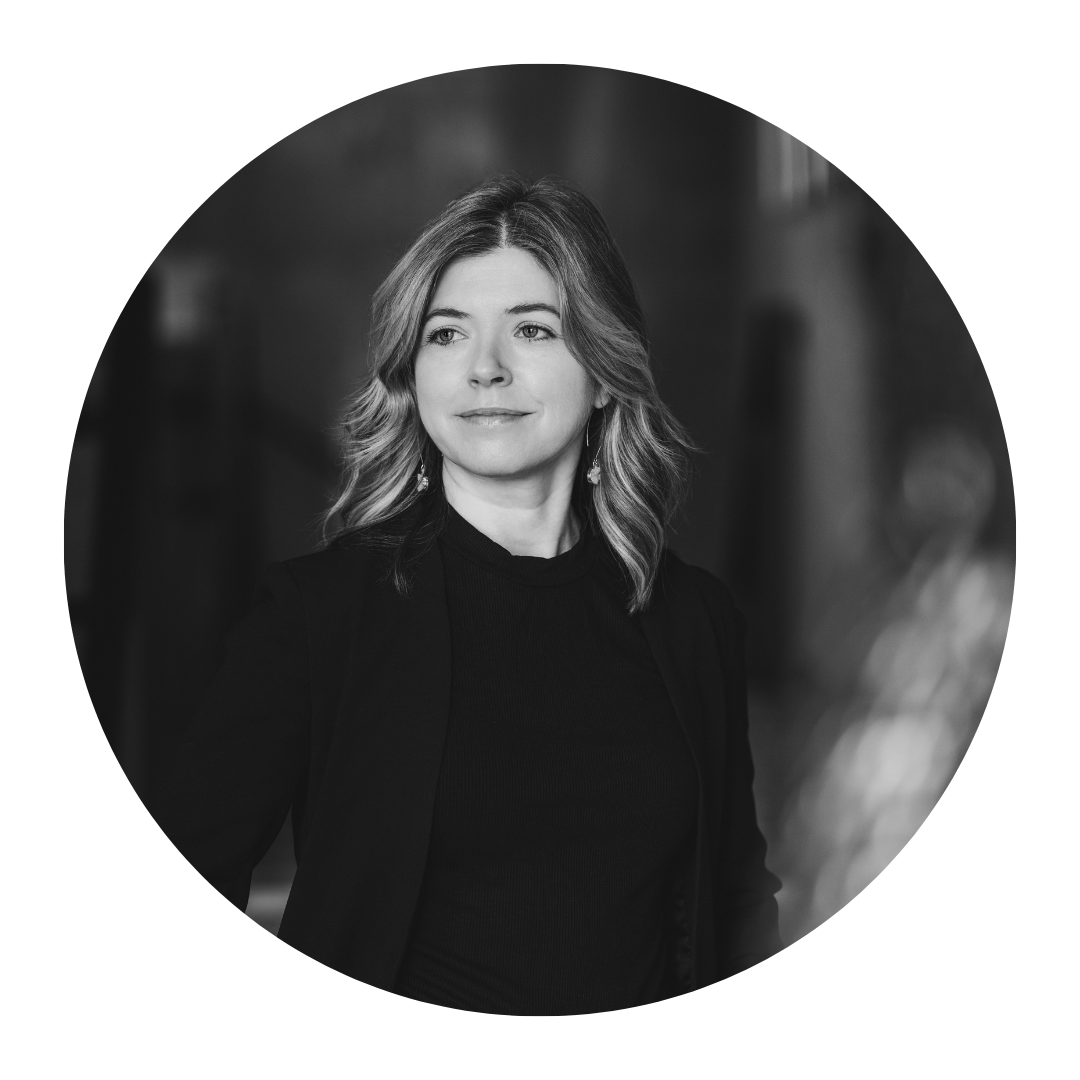
Among the many ripple effects of 21c’s closure was the departure of Jori Louise Cheville, who served as Museum Manager. Known for her sharp eye and thoughtful approach to curation, Cheville was instrumental in shaping 21c’s visual identity in Kansas City, crafting exhibitions that were accessible, resonant, and often provocative. Now, she’s moved west (well her work has)—to Manhattan, Kansas, where she’s taken the helm of an institution with a bold vision: the Museum of Art and Light (MoA+L). As the museum’s Director of Curatorial Affairs, Cheville steps into a role that feels both expansive and intentional.
MoA+L describes itself as “the first contemporary art museum in the world to showcase immersive, digital, and permanent collections from inception.” That statement alone signals an institution not looking backward but inventing forward—embracing the convergence of visual art, creative process, and technology as its foundation rather than an afterthought. It’s an exciting chapter for Cheville. But it also begs a difficult question: Why didn’t Kansas City offer that next chapter?
Kansas City is rich in artists, designers, makers, musicians, and curators. It’s a city that has often prided itself on its cultural vibrancy, its grassroots arts scene, its museums and institutions, its festivals and first Fridays. And yet, beneath the surface is a quieter crisis: we are struggling to retain the very people who make that vibrancy possible. Cheville’s move is emblematic of a broader pattern: arts professionals—especially mid-career—finding limited long-term job prospects in KC. It’s not that the city lacks creative energy; it’s that it too often lacks the infrastructure to support that energy in meaningful, sustainable ways.
When 21c closed, it wasn’t just an exhibition space that disappeared. It was a slate of future exhibitions, paid positions, opportunities for local artists, and a professional ecosystem for curators, educators, and art handlers. With no plan to archive or honor that history, its absence feels particularly stark.
The Museum of Art and Light, meanwhile, is doubling down on vision. Located in a smaller city with a university presence, MoA+L is staking its future on innovation. It isn’t just about showing art—it’s about integrating digital creativity, immersion, and cross-disciplinary exploration from the ground up. In many ways, it’s the kind of museum one might have expected to emerge in a place like Kansas City—midwestern, progressive, ambitious. And yet, it’s happening 120 miles away. MoA+L is a reminder that boldness in the arts doesn’t depend on population size. It depends on will, leadership, and investment. And the fact that such a museum would emerge in Manhattan, KS rather than Kansas City should prompt some collective introspection. Kansas City has always had creative talent. What we must reckon with now is whether we have the jobs, the institutions, and the long-term support systems to keep that talent rooted here.
Retaining arts talent means more than offering affordable studio space. It means curatorial jobs, museum leadership roles, arts education positions, and tech-integrated opportunities that reflect the shifting nature of contemporary culture. It means fostering institutions that not only value art—but understand its evolving forms and possibilities. And it means remembering. When spaces close, when exhibitions end, when chapters conclude—we must tell those stories. We must preserve that history so future artists and curators can understand the ecosystem they’ve inherited and imagine what comes next.
Jori Cheville’s move shows us where we (the participants in the KC arts community) are and what’s at stake. If Kansas City wants to be taken seriously as the city of the arts that it is, it cannot simply spotlight its emerging artists. It must build an ecosystem that supports their careers across decades, disciplines, and roles—whether in the studio, behind the scenes, or in a museum. We don’t lack vision. But we do need to match it with structure, opportunity, and support. Because when the gallery closes—digitally or otherwise—what remains is the legacy we choose to build.